Learning to Fly
Australia offers an amazing environment for flight training.
This guide will walk you through the types of licences, steps and requirements involved in learning to fly and answer frequently asked questions.
Types of Pilot Licenses
There are various types of pilot licences in Australia which each give you different capabilities. Take a look at the brief summary below, then click through to get specific details on each licence type.
RPL
Recreational Pilot License
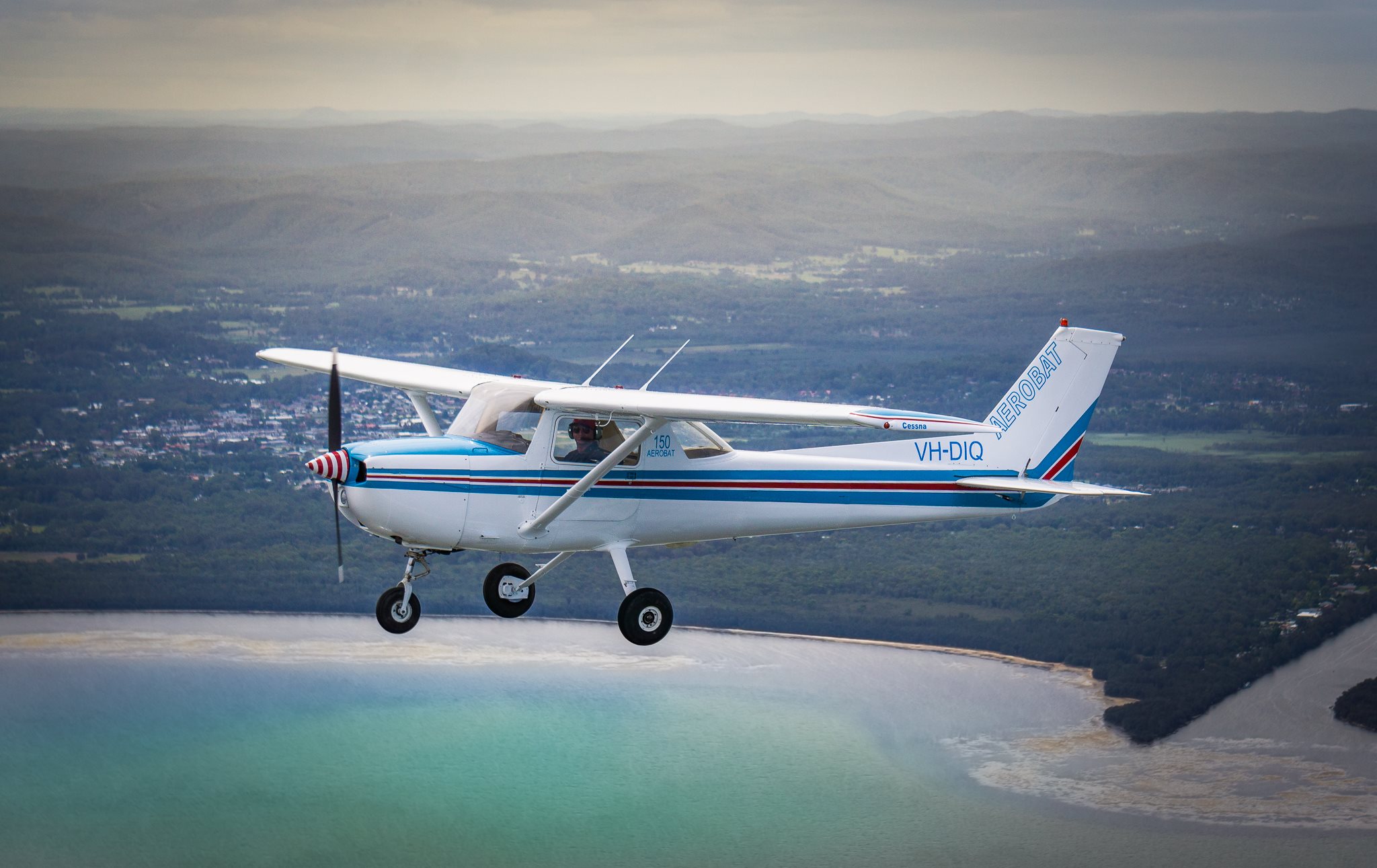
Lets you fly light, single-engine aircraft within a 25 nautical mile radius of takeoff, during the day, in good weather with up to 3 passengers.
Recreational Pilots Licence (RPL)

PPL
Private Pilot License
You can fly nationwide, fly in all airspace, operate more diverse aircraft, and gain operational ratings similar to commercial pilots.
Private Pilot Licence (PPL)
CPL
Commercial Pilot License
The pathway to a professional flying career, allowing you to get paid for your piloting skills.
Commercial Pilot Licence (CPL)How much does it cost to learn to fly?
Learning to fly comes with various costs, which vary based on the type of license and the flight school you choose. Flight training is competency based, and so while there are minimum numbers of hours to earn your licence, there are no maximums. Depending on your own capabilities and how frequently you fly these costs may vary with the flight time.
Here’s a rough estimate:
- RPL: Around $10,000-$20,000
- PPL: About $30,000 – $40,000
- CPL: Typically $80,000 – $100,000
Steps to Becoming a Pilot
In order to get your Pilots licence, you’ll need to follow the steps below.
- Go on a Trial Introductory Flight (TIF): A short flying lesson where you’ll take to the air and get hands on the controls.
- Enroll in a Flight School: Choose a flight school that fits your needs and budget. Look for ones with solid reputations and experienced instructors.
- Ground School and Flight Training: Ground school covers the theoretical side of things, like navigation, meteorology, and aviation regulations. At the same time, you’ll be taking practical flight training to get hands-on experience in the air.
- Licensing Exams and Practical Tests: To earn your license, you’ll need to pass both written exams and practical flight tests, making sure you have the necessary knowledge and skills to fly safely.
You will need a valid medical if you want to get a pilot licence – getting the medical sorted out once you’ve had your TIF is a good idea, as it will give you peace of mind and you can’t fly solo without one.
Pilot Licence FAQs
Q: Do I need any prior experience to start flying lessons?
A: No prior experience is necessary to begin flying lessons. Flight schools are designed to cater to beginners and will provide all the training you need, starting from the basics. Instructors will guide you through each step of the learning process, ensuring you build confidence and proficiency in flying.
Q: What is the minimum age to start flight training?
A: You can start flight training at any age, but specific milestones must be met to progress. For example:
- To Fly Solo: You must be at least 16 years old to fly an aircraft solo.
- To Obtain an RPL: The minimum age to be issued a Recreational Pilot License (RPL) is 17.
- To Obtain a PPL or CPL: For a Private Pilot License (PPL) or Commercial Pilot License (CPL), you must be at least 18 years old. Regardless of age, you must also meet medical and English proficiency requirements.
Q: How long does it take to get a pilot license?
A: The time it takes to obtain a pilot license varies depending on the type of license and your availability for training. On average:
- Recreational Pilot License (RPL): Can typically be achieved within 3-6 months, assuming part-time training.
- Private Pilot License (PPL): Usually takes about 6-12 months if you train part-time. Full-time training can shorten this duration.
- Commercial Pilot License (CPL): Generally requires 1-2 years of training, including the time needed to build the required flight hours and pass all necessary exams.
Q: What are the medical requirements for obtaining a pilot license?
A: To obtain a pilot license, you must pass a medical examination conducted by a designated aviation medical examiner. The type of medical certificate you need depends on the license:
- Class 1 Medical Certificate: Required for a CPL. It includes a comprehensive medical examination covering vision, hearing, cardiovascular health, and general physical and mental health.
- Class 2 Medical Certificate: Sufficient for an RPL or PPL. It involves a standard medical check-up focusing on overall fitness to fly.
- Basic Class 2 Medical Certificate: An alternative for RPL holders, with less stringent requirements than the full Class 2 certificate.
Q: Can I work as a pilot with a Private Pilot License (PPL)?
A: A Private Pilot License (PPL) allows you to fly for personal and recreational purposes but does not permit you to be paid for your flying services. If you wish to work as a professional pilot, you’ll need to obtain a Commercial Pilot License (CPL), which allows you to be compensated for your flying activities. The CPL opens up career opportunities such as charter pilot, flight instructor, and airline pilot.
Q: What is the difference between RPL, PPL, and CPL?
A: The key differences between these licenses are the level of privileges they grant and the training required:
- Recreational Pilot License (RPL): Allows you to fly light, single-engine aircraft within a limited range (25 nautical miles from the departure aerodrome, unless endorsed for controlled airspace or navigation).
- Private Pilot License (PPL): Permits you to fly more complex aircraft and carry passengers anywhere within Australia and internationally, without remuneration.
- Commercial Pilot License (CPL): Enables you to fly as a professional pilot and be paid for your services. This license requires more extensive training and a higher level of proficiency.
Q: What career opportunities are available with a pilot license?
A: Depending on the type of license you hold, a variety of career opportunities are available:
- With an RPL: You can enjoy recreational flying, join aero clubs, and participate in aviation events.
- With a PPL: You can engage in recreational flying, transport family and friends, or volunteer for organizations like Angel Flight.
- With a CPL: Career options expand significantly, including becoming a commercial airline pilot, charter pilot, flight instructor, agricultural pilot, or aerial survey pilot. Further certifications and ratings can lead to specialized roles, such as flying larger aircraft or working in specific sectors of the aviation industry.
Q: What are the language requirements for obtaining a pilot license?
A: Proficiency in English is essential for obtaining a pilot license in Australia. You must demonstrate the ability to communicate effectively in English, as it is the international language of aviation. This includes understanding and responding to instructions, reading and interpreting flight manuals and charts, and engaging in radio communication. Non-native English speakers may need to provide proof of language proficiency through tests such as the International Civil Aviation Organization (ICAO) English Language Proficiency Test.
Q: What type of aircraft will I train on?
A: Flight training typically starts on single-engine, piston aircraft such as the Cessna 172 or Piper Warrior. These aircraft are ideal for beginners due to their reliability and ease of handling. As you progress, you may train on more advanced aircraft, including multi-engine planes, especially if pursuing a Commercial Pilot License (CPL).
Q: How often should I fly to maintain proficiency during training?
A: Consistency is key to maintaining and improving your flying skills. It’s recommended to fly at least once or twice a week during training. Regular flying helps reinforce learning and build muscle memory. Long gaps between lessons can lead to regression and a need for additional review, potentially increasing training time and costs.
Q: Can I fly at night with a Private Pilot License (PPL)?
A: Yes, but you need to obtain a night rating, which involves additional training. The night rating allows you to fly during nighttime conditions, significantly increasing your flying flexibility and opportunities. The training covers aspects like night navigation, landing, and handling emergency situations in low visibility.
Q: What are the ongoing requirements to maintain a pilot license?
A: To keep your pilot license current, you must:
- Complete a certain number of flying hours within a specified period (typically 12 months).
- Undergo regular medical examinations to ensure you meet the required health standards.
- Participate in periodic proficiency checks and renewals, particularly for instrument and instructor ratings.
- Stay updated on changes in aviation regulations and procedures through continuing education and refresher courses.
Q: Can I rent aircraft from flight schools after getting my license?
A: Yes, many flight schools offer aircraft rental services to licensed pilots. Renting allows you to continue flying without the expense of owning an aircraft. To rent, you’ll typically need to:
- Provide proof of your pilot license and medical certificate.
- Complete a checkout flight with an instructor to demonstrate your proficiency in the specific aircraft model.
- Comply with the school’s rental policies and insurance requirements.
You can also find aircraft to rent from their owners on this website.
Q: What are the different endorsements I can obtain with my license?
A: Endorsements expand your flying privileges and capabilities. Some common endorsements include:
- Controlled Airspace Endorsement: Required to fly in controlled airspace if you hold an RPL.
- Navigation Endorsement: Allows RPL holders to fly beyond 25 nautical miles from the departure aerodrome.
- Tailwheel Endorsement: Permits you to fly tailwheel (conventional gear) aircraft.
- Aerobatic Endorsement: Enables you to perform aerobatic maneuvers.
- Multi-engine Endorsement: Necessary for flying multi-engine aircraft.
Q: What insurance do I need as a student pilot ?
A: As a student pilot, your flight school typically provides insurance coverage for training flights.
Q: How do I choose the right flight school?
A: Selecting the right flight school is crucial for your training experience. Consider the following factors:
- Accreditation and Reputation: Ensure the school is accredited by CASA and has a good reputation.
- Instructor Experience: Look for schools with experienced, qualified instructors.
- Fleet Condition: Check the availability and condition of the aircraft used for training.
- Training Programs: Review the curriculum and training programs offered.
- Costs and Financing: Compare costs and available financing options.
- Location and Facilities: Consider the school’s location, facilities, and available resources.
You can easily find a flying school on our Australian Flying School Directory.
Q: What is an integrated flight training program?
A: An integrated flight training program combines all the required training for a Commercial Pilot License (CPL) into a structured, continuous course. These programs are typically full-time and offer a streamlined path to a CPL, often including multi-engine and instrument ratings. Integrated programs are intensive but can be completed more quickly than modular training routes, which allow for more flexibility and part-time study.